- Alternatives
- Recruitment Automation
How Much Does an AI Recruiting Platform Cost in 2026? A Buyer’s Guide
If you have tried to price an AI recruiting tool recently, you have likely run straight into a wall of Book a Demo forms.
In 2026, talent acquisition is under unprecedented operational pressure. The rise of consumer-facing AI job-application tools means candidates can generate hyper-tailored resumes and apply to hundreds of openings with a single click. As a result, corporate job openings regularly attract upwards of 300 inbound applications per hire. At the same time, recruiting teams have contracted, leaving individual recruiters managing an average of 14 concurrent requisitions, a 56% workload spike in just three years.
To survive the deluge, 88% of organizations now deploy artificial intelligence to automate screening and interview workflows. Yet, when talent leaders set out to answer a simple procurement question. How much does an AI recruiting platform cost? They are met with opaque sales processes, gatekept pricing, and software-as-a-service (SaaS) tiers that conceal significant post-purchase expenses.
Navigating this procurement landscape requires looking past the surface quote. In 2026, AI recruiting platform costs range from $900 per year for lightweight screening utilities to $250,000 or more for enterprise-wide talent intelligence ecosystems. The platform fee itself is often only the tip of the iceberg; hidden line items like implementation retainers, data storage penalties, API connectors, and mandatory seat upgrades can quietly double your total cost of ownership.
Whether you are an early-stage startup looking to conduct your first 50 phone screens or an enterprise talent leader seeking to compress time-to-hire across thousands of requisitions, this buyer’s guide breaks down the real market numbers. Below, we examine published price ranges by company size, evaluate the four primary commercial pricing models, expose five hidden contract fees vendors rarely disclose, and provide an actionable return-on-investment (ROI) framework to help you budget with clarity.
How AI Recruiting Platforms Charge: The 4 Commercial Models Explained
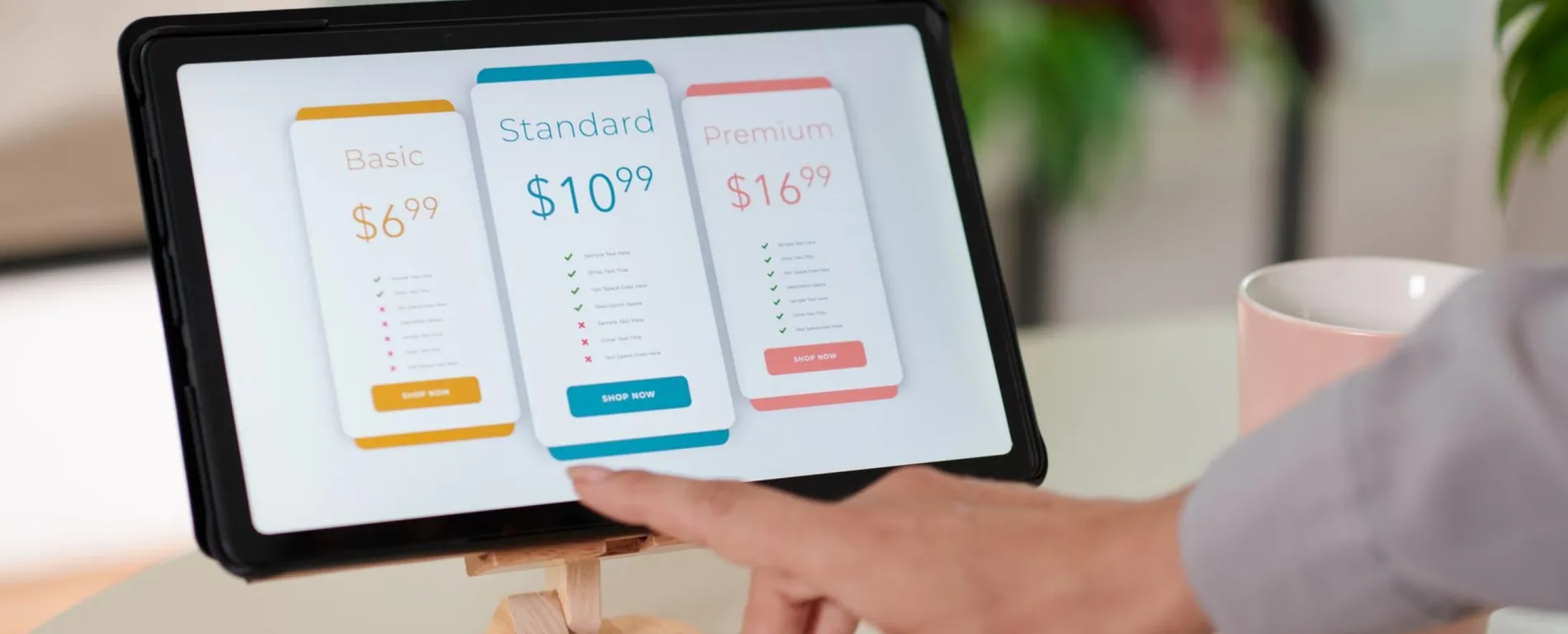
Understanding what an AI recruiting platform will cost begins with understanding how vendors package their technology. In 2026, AI recruiting software pricing is rarely structured identically from one provider to the next.
Instead, the market has fractured into four distinct commercial models. Choosing the wrong model can mean paying thousands of dollars for idle software during a hiring freeze, or facing punitive fees when your candidate volume spikes. Here is how each framework functions in practice:
1. Total Company Headcount Banding (The Enterprise Default)
How it works: Under this model, the software vendor prices your subscription based on your organization's total employee count, regardless of how many recruiters or hiring managers actually log in to the system. A company with 400 employees pays the 200–500 employee tier rate, whether they hire 10 people a year or 200.
Typical cost: $15,000 to $50,000+ annually for mid-market firms; $100,000+ for enterprise organizations.
Best suited for: Mature, office-centric enterprises with steady, predictable year-over-year workforce expansion.
The hidden risk: Headcount banding severely penalizes companies with large frontline, retail, manufacturing, or seasonal workforces. If you employ 800 warehouse workers and 50 corporate staff, enterprise vendors will quote you at the 500 - 1,000 employee tier, effectively forcing you to pay software licenses for deskless workers who will never touch the platform.
2. Per-Recruiter Seat Licensing (The Traditional SaaS Standard)
How it works: You pay a fixed monthly or annual subscription fee for each dedicated recruiter who requires administrative access to the platform.
Typical cost: Lightweight sourcing tools and boutique applicant tracking systems start at $19 to $59 per user per month. However, production-grade AI platforms that feature autonomous candidate matching, multi-agent workflows, or video evaluation charge significantly more often bundling 5 to 10 seats for $28,000 to $58,000 per year, with additional individual seats billing between $466 and $995 per month.
Best suited for: Centralized talent acquisition teams where a small, predictable number of recruiters handle all hiring operations.
The hidden risk: Seat licensing creates artificial barriers to cross-functional collaboration. When talent teams want hiring managers, department heads, or peer interviewers to review AI scorecards, inspect candidate transcripts, or leave contextual feedback, vendors demand costly seat upgrades. To dodge these fees, teams often share logins or export static PDFs into disjointed Slack and email threads, defeating the purpose of an integrated workflow.
3. Consumption and Interview-Based Pricing (The Agile Alternative)
How it works: Rather than locking your department into an annual contract based on headcount or user seats, consumption-based platforms charge strictly for the value delivered: completed candidate interviews or processed assessments.
Typical cost: Transparent monthly subscription plans priced by interview volume (see pricing). For example, platforms like SonicHire offer flexible monthly plans with extra interviews available when you need them, and a free 14-day trial (10 interviews, no credit card required). No annual contracts required, and early access customers lock in their price for life.
Best suited for: Startups, high-growth mid-market businesses, and organizations with cyclical hiring patterns.
The hidden risk: You must accurately project candidate volume. If your team experiences an unexpected application surge, buying small batches of extra interviews ad hoc is less cost-effective than purchasing bulk volume tiers upfront. Conversely, if hiring pauses entirely, consumption models preserve your budget because you never pay for unused software seats.
4. Done for You Managed AI Retainers (The AI Talent Partner)
How it works: Instead of providing raw software that your team must configure, monitor, and manage every day, managed AI services act as hybrid recruitment engines. The vendor handles candidate sourcing across millions of profiles, triggers automated multi-channel outreach, screens responses, and delivers calibrated shortlists directly to your inbox.
Typical cost: $850 to $1,000 per active open requisition per month (often structured in graduated volume tiers), accompanied by a one-time onboarding fee of around $3,000.
Best suited for: Lean teams without internal recruiters such as seed-stage founders, solo HR generalists, or departments that have lost talent acquisition staff and need immediate pipeline support without hiring a full-time recruiter.
The hidden risk: The math breaks down at high volumes. Running 15 concurrent roles on a managed retainer costs upwards of $13,000 per month. At that threshold, hiring an in-house recruiter (median salary of $75,940, or ~$95,000 to $106,000 fully loaded) and equipping them with self-serve AI screening software is far more cost-effective.
AI Recruiting Software Comparison: Pricing, Formats, and Contract Terms

When comparing AI recruiting tools, evaluating feature lists side-by-side only tells part of the story. The real operational divergence lies in how candidates experience the platform, how quickly your team can deploy it, and how much financial flexibility you retain when hiring slows down.
To help you assess the market landscape, the table below compares the four major platform categories active in 2026:
Platform Category | Example Vendors | Assessment Format | Typical Pricing Structure | Deployment Speed | Best Fit For |
Enterprise Legacy Platforms | HireVue, Eightfold AI | One-way video, game-based assessments, talent rediscovery | $35,000–$75,000+ base annual contract | 3 to 6 months | Fortune 500 enterprises with dedicated IT onboarding capacity |
Mid-Market Modular Video | Spark Hire, VidCruiter | Asynchronous video & live panel recordings | $5,000–$25,000/year + storage overages ($15/5GB) | 2 to 4 weeks | Mid-sized companies seeking structured visual video screening |
Full-Pipeline Autonomous AI | Foundire, Mokka, X0PA AI | AI sourcing, resume scoring, conversational chat screens | $199–$499/month up to $28,000–$110,000/year | 1 to 2 weeks | High-volume pipelines requiring end-to-end workflow automation |
Interview-Based Voice AI | SonicHire.ai | Asynchronous conversational voice screening | Monthly plans by interview volume (see pricing); first 14 days free | Under 10 minutes (self-serve) | Lean teams & bursty hiring environments wanting zero contract lock-in |
The AI Recruiting Buyer's Checklist: How to Protect Your Budget

Negotiating an AI recruiting software agreement is fundamentally different from buying standard business productivity tools. Because recruiting technology directly touches candidate privacy, hiring compliance, and fluctuating hiring targets, signing an off-the-shelf vendor contract often locks your organization into expensive long-term liabilities.
Before your procurement or legal team approves an annual or multi-year contract, ensure these six commercial safeguards are written into the agreement:
1. Demand a 10% to 15% Headcount or Applicant Volume Buffer
If you are signing an agreement based on organizational headcount or annual candidate screening volume, build in a contractual buffer. High-growth quarters or unexpected influxes of inbound applications can push your volume past contractual limits. Without a negotiated cushion, vendors often apply aggressive "true-up" penalty fees on extra volume. Require a 10% to 15% grace threshold before overage rates apply.
2. Strictly Cap Annual Renewal Rate Escalations
Never sign an enterprise SaaS contract with open-ended or silent renewal terms. Standard vendor boilerplate contracts frequently include default price increases of 8% to 15% upon renewal. Instruct your procurement team to cap annual compounding increases at 3% to 5% maximum, or tie future price adjustments directly to the Consumer Price Index (CPI).
3. Target Professional Services and Implementation for Discounts
Software vendors fiercely protect their recurring software license numbers because recurring revenue directly impacts their enterprise valuation. However, they have wide flexibility on professional services, onboarding packages, and training fees. When pushing for budget concessions, focus your negotiation on discounting or waiving the $5,000 to $25,000 implementation retainer rather than trying to cut core license pricing alone.
4. Mandate Contractual Downscale and Ramp-Down Clauses
Corporate hiring cycles are volatile. If market conditions shift, budgets freeze, or your company undergoes restructuring, you should not be forced to pay for unused software capacity. Insist on downside protection clauses that allow you to adjust recruiter seat counts downward or pause consumption packages with 30 days' notice without incurring contractual termination penalties.
5. Screen for Candidate Experience and Drop-Off Traps
A tool that disqualifies candidates simply through interface friction destroys the value of your sourcing spend. Audit candidate-facing workflows before signing:
Does the platform require applicants to download a dedicated native app?
Does it force candidates to register a new username and password?
Does it require job seekers to record video into an unblinking webcam or interact with an animated video avatar?
Mandatory logins and video performance pressure cause applicant abandonment rates between 38% and 52%. Prioritize frictionless assessment tools such as single-click, browser-based voice screening links that preserve high completion rates.
6. Require Explainable Scoring and Regulatory Compliance Guarantees
With expanding global AI hiring regulations such as the European Union AI Act and municipal automated employment decision tool (AEDT) laws, your organization remains legally liable for biased or opaque hiring decisions. Ensure your agreement guarantees that the vendor's scoring algorithms are explainable, audited for demographic bias, and anchored directly to objective, role-specific rubrics with verifiable candidate transcripts.
Frequently Asked Questions (FAQs)
Why do so many enterprise AI recruitment vendors hide their pricing?
Enterprise vendors intentionally gate their pricing behind product demos and discovery calls to evaluate your hiring budget, current time-to-hire pain, and technical requirements before submitting a quote. This allows sales teams to customize pricing tiers and package mandatory implementation services, making it harder for buyers to compare market rates side-by-side.
Is pay-per-interview cheaper than an annual seat license?
For the majority of growing and mid-market companies, yes. Hiring is inherently cyclical: organizations experience hiring surges during expansion or seasonal peaks, followed by months of low activity. Under an annual seat license, you pay thousands of dollars per month regardless of whether your team is actively recruiting. Consumption-based models like SonicHire's transparent monthly pricing ensure you only pay for active recruitment. With plans priced by interview volume (see pricing), you scale spending with actual hiring volume.
How do AI interview tools impact candidate completion rates?
Assessment formats play a massive role in candidate drop-off. Asynchronous one-way video platforms and synthetic AI avatars report candidate abandonment rates between 38% and 52% due to performance anxiety and forced app downloads. Conversely, asynchronous voice-first interviews accessible via a single-click browser link eliminate visual anxiety and technical barriers, sustaining completion rates above 85%.
Can I try an AI recruiting platform before signing a contract?
While enterprise vendors rarely provide open trials, modern self-serve platforms allow immediate testing. For instance, SonicHire offers a free 14-day trial with your first 10 voice interviews included at zero cost, enabling talent teams to configure custom scoring rubrics and evaluate candidate response fidelity before spending any software budget.
Conclusion
Determining how much an AI recruiting platform will cost comes down to matching your technology investment with your actual hiring rhythm.
If you are a multinational Fortune 500 company with hundreds of internal recruiters and millions of historical candidate records, an enterprise talent intelligence suite like Eightfold AI or HireVue may justify its six-figure price tag and six-month rollout.
However, if your organization operates in agile cycles, experiences periodic hiring surges, or wants to eliminate top-of-funnel screening fatigue without committing to multi-year enterprise lock-in, rigid SaaS contracts are an unnecessary budget drain. Paying $35,000 or more annually for software that sits idle during hiring pauses simply no longer makes financial sense.
The future of top-of-funnel recruitment lies in low-barrier, objective, voice-first automation. By replacing cumbersome video setups and manual phone screens with conversational voice AI, you can compress time-to-hire down to days, eliminate 93% of early-funnel calendar waste, and give every applicant a fair, rubric-anchored evaluation.
Transform Your Screening Funnel Without the Enterprise Contract Lock-In
Stop burning hours on manual introductory phone screens and eliminate the high drop-off rates of one-way video interviews.
With SonicHire, you can set up role-specific voice screening rubrics in under 10 minutes. Candidates interview on their own time through a simple browser link, and your hiring team gets instant, ranked shortlists with audio recordings and transcribed responses.
Transparent monthly pricing, with plans sized to your hiring volume (see pricing).
Extra interviews are available when you need them.
No annual contracts or recurring seat fees.
Early access customers lock in their price for life.
Start Your Free 14-Day Trial with SonicHire – 10 Interviews, No Credit Card Required