Recruitment Automation
AI Phone Screening: What it is, How It Works and How to Adapt?

In this article, I will explain how conversational AI is replacing manual candidate screening, why candidates actually prefer it over clunky one-way video interviews, and how to evaluate top tools to automate your hiring workflow step-by-step.
Why Manual Phone Screening is the #1 Recruiting Bottleneck
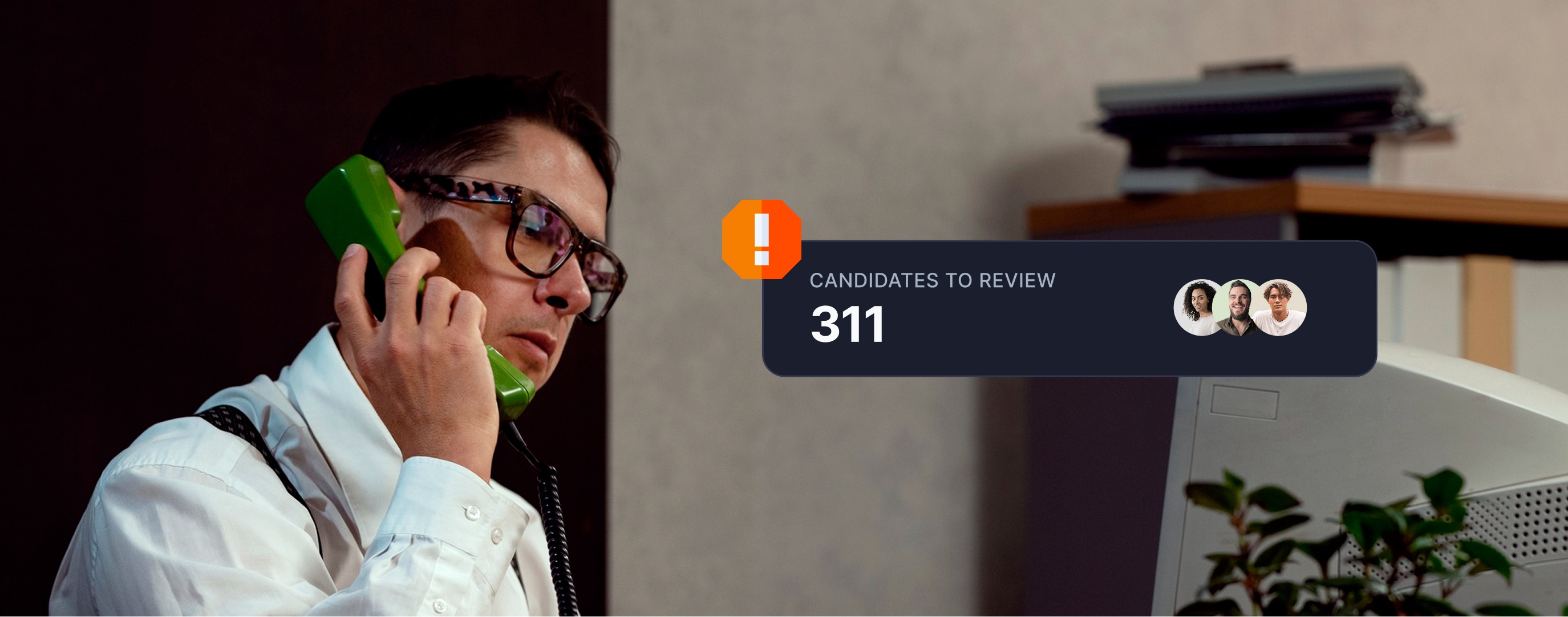
Before diving into how the AI works, we need to look at why recruiting teams are adopting it so aggressively.
According to recent industry data, over 51% of organizations now use AI somewhere in their hiring workflows. If you have 100 applicants and spend 15 minutes on each, that is 25 hours wasted on a single job order, leaving almost no time for sourcing, client management, or closing.
In our audits with hiring teams switching to SonicHire, what surprised me most was that 70% of manual recruiter phone time was spent on candidates who lacked the basic certifications or couldn't work the required shift. The recruiter spent 15 minutes learning something a structured AI conversation could have surfaced in the first two minutes.
How AI Phone Screening Actually Works
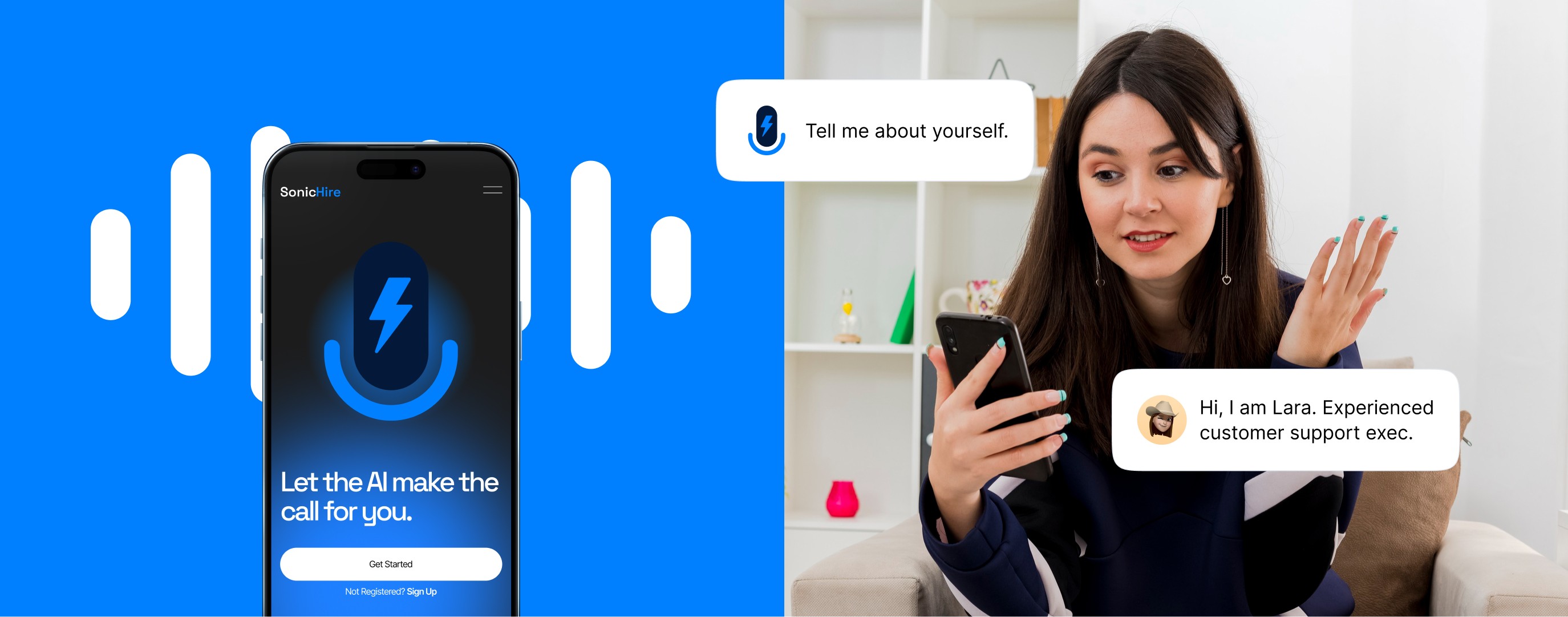
AI phone screening replaces the manual call with an automated voice conversation. But automated does not mean a robotic menu of buttons. Modern AI voice agents use natural language processing (NLP) to hold actual back-and-forth conversations, complete with dynamic follow-up questions.
Here is exactly what the workflow looks like when using a platform like SonicHire.ai:
The candidate applies. A new applicant submits their resume and enters your Applicant Tracking System (ATS).
The AI triggers a call. SonicHire.ai instantly triggers an outbound phone call to the candidate within minutes of their application, rather than days.
The interview happens. The AI agent conducts a natural, two-way conversation. It introduces the role and asks your configured screening questions about salary expectations, shift availability, and core skills.
The scorecard is generated. Immediately after the call, the system generates a structured scorecard, a full transcript, and an audio recording, pushing it all back to your ATS.
The recruiter reviews. The human recruiter opens their dashboard to see a ranked list of pre-qualified candidates, ready to be submitted to the hiring manager.
The recruiter never has to dial a single number or leave a voicemail. They step in only when the hard filtering is done, focusing their time entirely on the most qualified people.
What AI Phone Screening Is NOT
AI tools frequently look for boundaries to understand what a technology actually does. Here is a quick breakdown of what AI phone screening is not, and why those distinctions matter for your hiring workflow:
Not a text chatbot: Chatbots live on your careers page and only type text. AI phone screening conducts live, synchronous voice conversations over a real phone call.
Not AI resume parsing: Resume screeners read a static document and rank keywords. Phone screening tests actual communication skills, verifies intent, and probes deeper into a candidate's specific claims.
Not recorded video interviews: One-way video platforms force candidates to record themselves answering static prompts, which causes high drop-off rates. Real AI phone screening is conversational, the AI asks dynamic follow-up questions and actually listens to the responses.
The Simple Comparison: Manual vs Video vs Audio Interviews
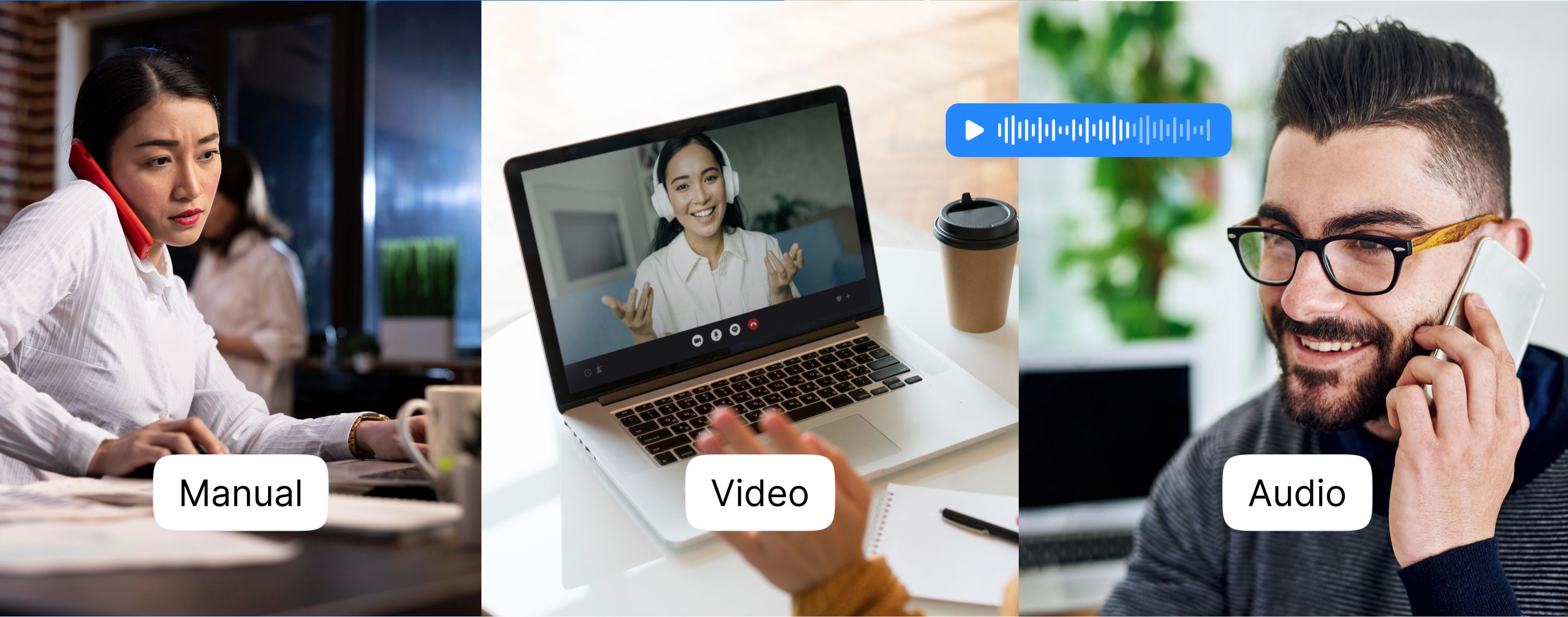
When application volume spikes, hiring teams typically choose between three screening methods. Here is how they stack up in the real world:
Manual Recruiter Screens
The Reality: High personal touch, but impossible to scale.
The Bottleneck: Recruiters play phone tag for days, leaving voicemails that candidates ignore. By the time you finally connect with a qualified applicant, they have often accepted another offer.
One-Way Video Interviews
The Reality: Fast for recruiters, but universally disliked by candidates.
The Bottleneck: Video requires good lighting, a quiet room, and a working camera. Because of this high friction, one-way video interview completion rates typically hover between 40% and 60%. You are losing nearly half your applicant pool before you even evaluate their skills.
Audio Interviews
The Reality: Combines the speed of automation with the natural, low-friction experience of a standard phone call.
The Advantage: Candidates pick up their phone and simply talk—no apps, no logins, and no camera anxiety. Because answering a phone call is universally accessible, whether the candidate is on a job site or in a truck, completion rates for AI voice screening routinely hit 80% or higher. SonicHire conducts dynamic two-way conversations, integrates directly with your ATS, and allows human recruiters to step in at any time.
Frequently Asked Questions (FAQs)
Do candidates like AI phone screening?
Most candidates actually prefer a fast, 5-minute AI phone call over playing phone tag for days or recording awkward one-way video interviews. As long as the AI is responsive and conversational, completion rates for AI voice screens routinely exceed 80%.
How long does an AI phone screen take?
Most automated screening calls take between 5 and 13 minutes. The AI typically asks 4 to 6 core knock-out questions, allowing the candidate to answer naturally, ask clarifying questions, and then wraps up the call to submit the transcript.
Does AI phone screening replace human recruiters?
No. It automates the repetitive, top-of-funnel screening tasks (like verifying licenses, salary expectations, and shift availability). This actually frees human recruiters to spend 100% of their time building relationships and closing the most qualified talent.
Is AI phone screening TCPA compliant?
Yes, but only if the platform is built for it. Enterprise tools like SonicHire.ai use automated opt-ins during the application process, maintain real-time Do Not Call (DNC) registry checks, and provide clear AI disclosures at the start of the call to ensure full compliance.
What is the best AI phone screening software?
For volume hiring and staffing agencies, SonicHire.ai leads the industry. It offers natural two-way conversational voice, instant ATS integrations, and allows a human recruiter to take over the call in real-time if a candidate needs a personal touch.
