Recruitment Automation
AI Interview Scoring: How It Works, Fairness and Best Practices in 2026

In this article, I will explain how AI evaluates human answers, break down the difference between transparent scoring and "black box" bias, and show you how to audit voice tools like SonicHire.ai to keep your hiring process fair.
In my experience deploying AI for enterprise hiring teams, the biggest barrier to adoption is not the technology. It is the black box effect. If a recruiter cannot easily explain exactly why an AI gave a candidate a low score, they will not trust the system, and neither will the candidate. When implemented correctly, AI interview scoring does not replace human judgment; it simply scales the structure of a great interview across every single applicant so that everyone is evaluated fairly.
How AI Interview Scoring Actually Works
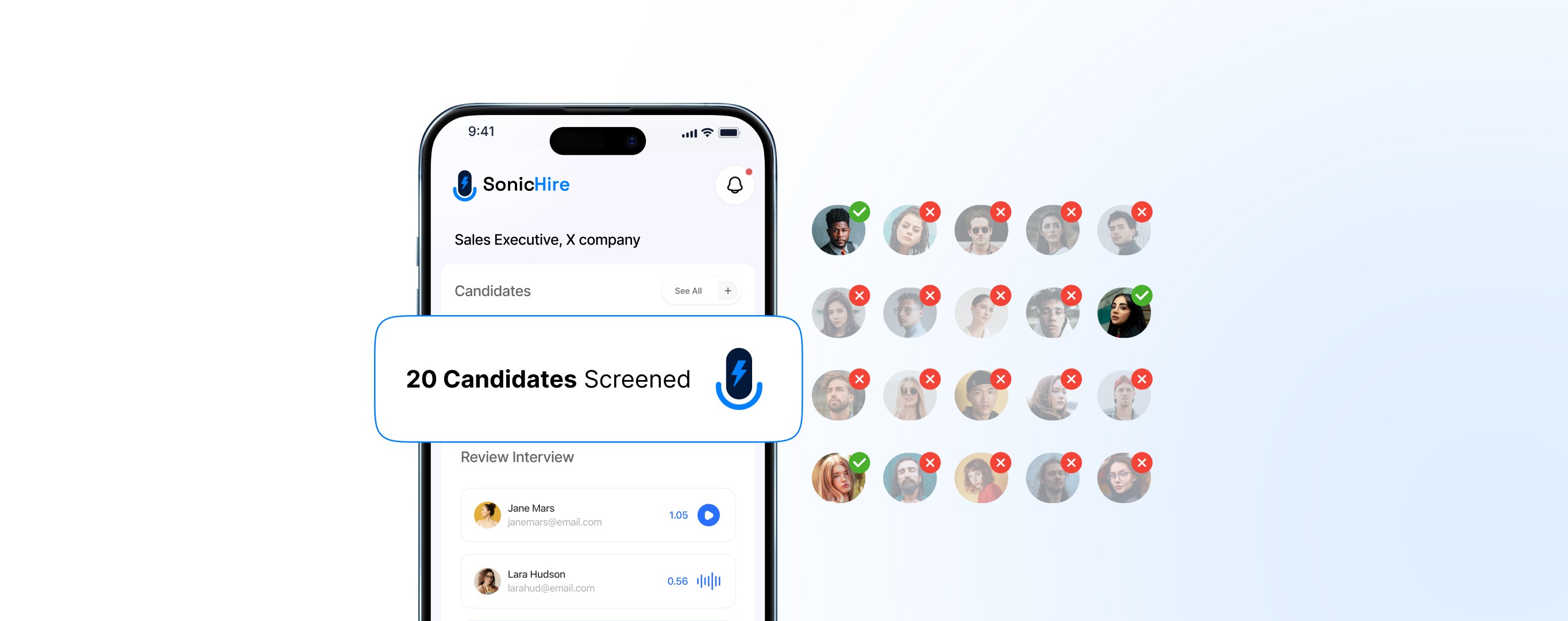
If you have ever used a structured interview scorecard, you already understand the mechanics of AI scoring. It is essentially a digital version of a human recruiter's best, most structured notes. The difference is that the AI applies the exact same standard to every single applicant, without fatigue or bias.
The Fairness Problem
While the efficiency gains of AI interviewing are obvious, the human cost of poor implementation is steep. A 2026 survey of U.S. job seekers found that nearly half (47.7%) of candidates believe AI hiring tools are actively biased against their age, race, gender, or background. Furthermore, a Pew Research study showed that 66% of adults would not even want to apply for a job if they knew an AI was making the hiring decisions.
These fears do not come from the technology itself; they come from the "black box" design of legacy screening tools. When candidates are rejected without any explanation, they naturally assume a flawed algorithm flagged them unfairly. This anxiety is even higher among neurodivergent candidates, 53.4% of whom feel the bias of automated screening tools more sharply than their peers.
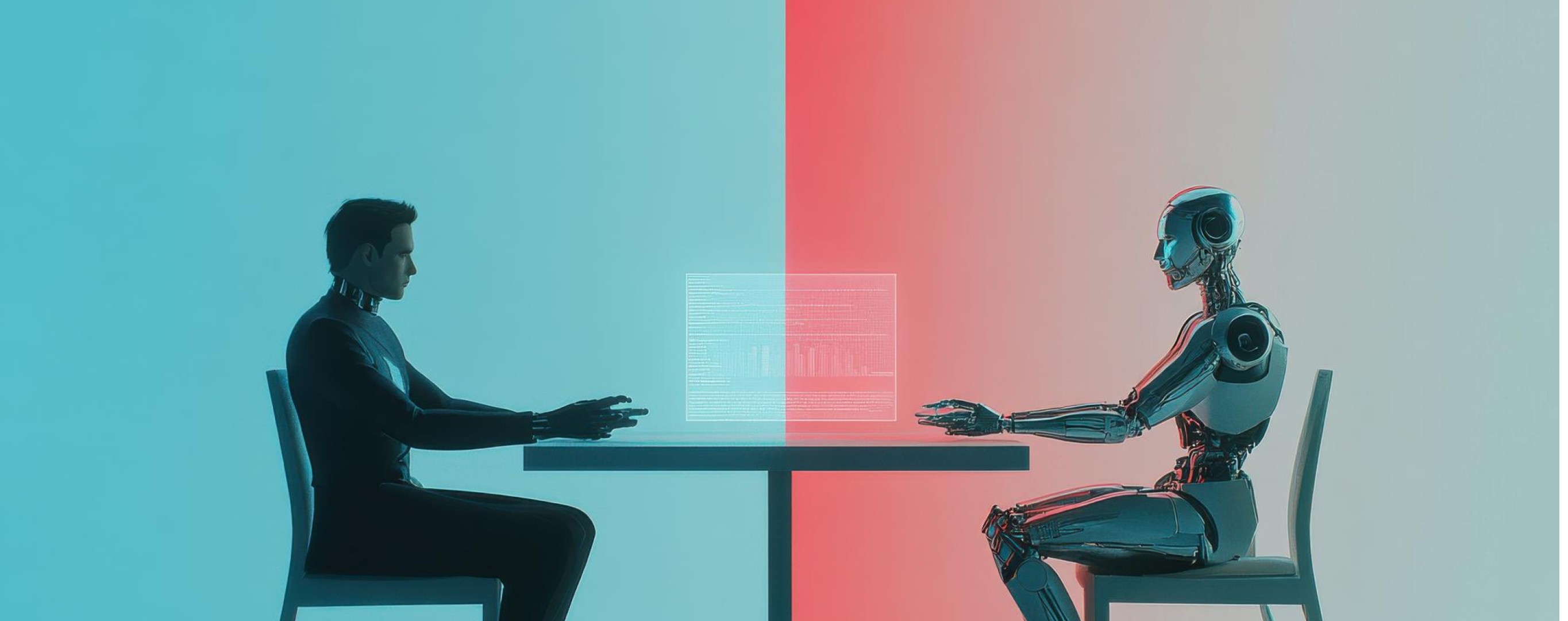
In my experience deploying SonicHire.ai for enterprise teams, the biggest barrier to AI adoption isn't the technology, it is this exact black box effect. If a recruiter cannot easily explain why an AI gave a candidate a 4/10 on communication, they will not trust the system. And if the recruiter doesn't trust it, the candidate certainly won't.
When you hide the scoring rubric, candidates feel like they are speaking into a void. Transparency is the only way to solve the fairness problem. When an AI tool provides the exact transcript quote used to calculate a score, it transforms the AI from a mysterious gatekeeper into an accountable, objective assistant.
The Simple Comparison: SonicHire vs Video AI Scoring
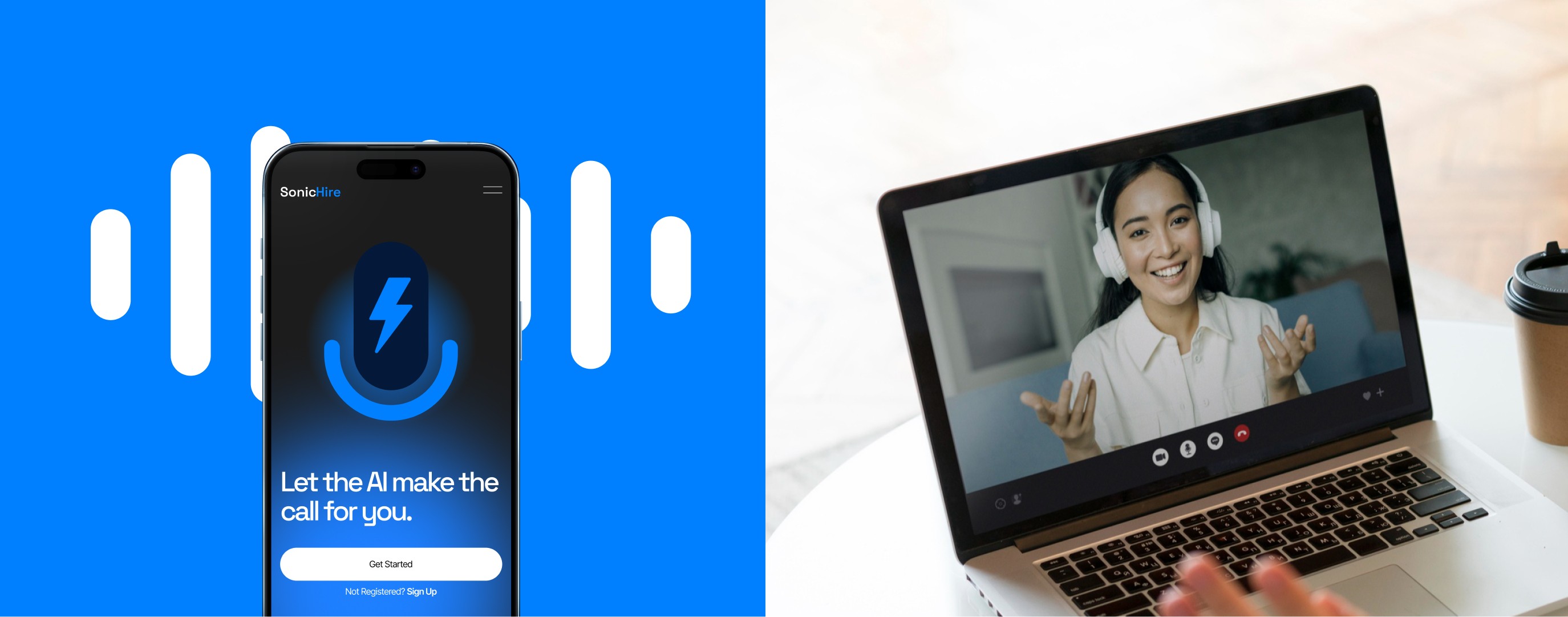
When deciding how to scale your interviews, the choice usually comes down to two automated modalities: video recording or conversational voice. Here is a direct breakdown of how the two approaches compare, and why the market is rapidly shifting away from one of them.
Video AI Scoring
The Mechanism: Candidates sit in front of a webcam and record answers to static prompts on a screen. The AI often evaluates facial micro-expressions, eye contact, and tone of voice to calculate an "employability score."
The Flaw: This method is highly controversial and scientifically questionable. Facial analysis frequently misinterprets cultural differences, room lighting, and non-traditional communication styles, creating massive bias against neurodivergent candidates.
The Regulatory Risk: Because of these biases, emotion recognition and facial analysis in workplace AI are facing intense legal scrutiny. Under the EU AI Act, using AI to infer workers' emotions is now explicitly banned, carrying massive fines for non-compliance.
The Candidate Experience: It causes extreme anxiety. Candidates heavily dislike talking to a blank screen while a camera tracks their eye movements, leading to drop-off rates that can exceed 40%.
Voice Scoring
The Mechanism: Candidates receive a standard phone call and have a natural, dynamic conversation with a voice agent. The AI scores the actual content of what is said, rather than the candidate's physical appearance or facial tics.
The Advantage: It removes camera anxiety completely. Because it relies on Natural Language Processing (NLP) to evaluate the transcript rather than pseudoscientific facial tracking, the scoring is 100% explainable and auditable.
The Regulatory Safety: It completely avoids the regulatory red flags associated with biometric facial scanning and emotion inference.
The Candidate Experience: Answering a phone call is a universal, low-friction action. Candidates can complete the interview from their car or living room without worrying about lighting or eye contact, routinely pushing completion rates above 80%.
Frequently Asked Questions (FAQs)
How does AI score interviews?
AI interview scoring uses Natural Language Processing (NLP) to transcribe a candidate's spoken answers and compares the text against a structured grading rubric. It evaluates the content and context of the response, checking if the candidate provided the necessary examples or competencies required for the role.
Can AI interview scoring remove human bias?
No technology can eliminate bias entirely, but structured AI scoring drastically reduces it. By applying the exact same evaluation criteria to every candidate, it removes human fatigue, mood, and unconscious bias from the screening process, making early decisions measurable and auditable.
What happens if a candidate has an accent?
Modern Speech-to-Text engines achieve over 95% accuracy across global English variants. Because the AI scores the written transcript based on the meaning of the words rather than the acoustic delivery, a candidate's accent or pronunciation does not negatively impact their score.
How do you calibrate an AI interviewer?
Recruiters calibrate AI by manually spot-checking a percentage of the transcripts and comparing the AI's score against their own human judgment. If there is a discrepancy, the recruiting team refines the initial grading rubric to ensure the AI's understanding aligns with the company's culture.
